
silage plastic
Agriculture

Silage Plastic Australia’ How to Choose the Best Option for Maximum Feed Quality

For Australian farmers, preserving high-quality forage is critical to maintaining year-round livestock productivity. One of the most essential tools in this process is silage plastic, which directly protects feed from spoilage, moisture, and oxygen exposure. Choosing the right silage plastic in Australia isn’t just about cost—it’s about durability, climate suitability, and long-term value.

Australia’s diverse climate—from the humid regions of Queensland to the dry conditions in South Australia—demands careful consideration when selecting materials. The right silage plastic can significantly reduce feed loss, improve fermentation quality, and ultimately boost farm profitability.

Understanding the Role of Silage Plastic

Silage plastic is designed to create an airtight seal around forage, enabling anaerobic fermentation. This process preserves nutrients and prevents spoilage caused by oxygen and harmful bacteria. Without high-quality silage plastic, even the best forage can deteriorate quickly.

In Australian farming conditions, UV exposure is a major concern. Prolonged sunlight can degrade low-quality plastics, leading to cracks, tears, and compromised silage. That’s why UV-stabilised silage plastic is widely recommended for local use.

Types of Silage Plastic Available in Australia

There are several types of silage plastic commonly used across Australian farms, each suited to specific applications:

1. Silage Wrap Film

This is typically used for round or square bales. It’s stretchable and designed to tightly wrap forage, ensuring minimal oxygen penetration. High-quality films offer multiple layers for added strength and durability.

2. Silage Covers (Bunker Covers)

Used to cover silage pits or bunkers, these plastics are thicker and more robust. They provide a strong barrier against environmental factors, including rain, wind, and UV radiation.

3. Silage Tube Film

Ideal for large-scale operations, silage tubes allow farmers to store large volumes of forage efficiently. These films need to be highly durable to withstand pressure and environmental exposure.

Each type of silage plastic serves a unique purpose, so selecting the right one depends on your storage method and farm size.

Key Factors to Consider When Choosing Silage Plastic

Climate Conditions

Australia’s climate varies significantly, making it essential to select silage plastic suited to your region. In hotter areas, UV resistance is critical, while in wetter regions, puncture resistance and sealing capability become more important.

Thickness and Strength

Thicker silage plastic generally provides better protection, but it may cost more. The key is finding a balance between durability and budget while ensuring adequate protection for your forage.

Oxygen Barrier Performance

Modern silage plastic often features oxygen-barrier technology, significantly reducing oxygen infiltration. This helps improve fermentation quality and reduces dry matter losses.

Ease of Application

High-quality silage plastic should be easy to handle and apply. Films with good stretchability and cling properties make wrapping faster and more efficient, reducing labour time.

Benefits of Using High-Quality Silage Plastic

Investing in premium silage plastic offers several advantages:

● Improved Feed Quality: Better sealing leads to optimal fermentation and nutrient retention.

● Reduced Waste: Stronger materials minimise tears and spoilage.

● Cost Efficiency: While upfront costs may be higher, reduced feed loss leads to long-term savings.

● Weather Protection: Reliable coverage protects silage from Australia’s harsh environmental conditions.

Farmers who prioritise quality often see measurable improvements in livestock performance and overall farm efficiency.

Common Mistakes to Avoid

Despite its importance, silage plastic is sometimes treated as a commodity rather than a strategic purchase. Here are some common mistakes to watch out for:

● Choosing the Cheapest Option: Low-cost plastic often lacks durability and UV protection.

● Improper Storage Before Use: Exposure to sunlight before application can weaken the material.

● Incorrect Application: Poor wrapping techniques can allow oxygen to enter, reducing silage quality.

Avoiding these pitfalls ensures that your investment in silage plastic delivers maximum returns.

Sustainability and Recycling in Australia

Sustainability is becoming increasingly important in Australian agriculture. Many suppliers now offer recyclable silage plastic options or participate in recycling programs. Proper disposal and recycling not only reduce environmental impact but also align with industry best practices.

Farmers are encouraged to clean and store used silage plastic appropriately before recycling. Participating in these programs can contribute to a more sustainable farming operation while maintaining efficiency.

Final Thoughts

Selecting the right silage plastic is a critical decision for Australian farmers looking to preserve feed quality and minimise losses. From understanding different types to evaluating climate suitability and durability, every factor plays a role in achieving optimal results.

By investing in high-quality silage plastic and applying it correctly, farmers can protect their forage, improve livestock productivity, and enhance overall farm profitability. In a competitive agricultural landscape, these small but strategic decisions can make a significant difference.

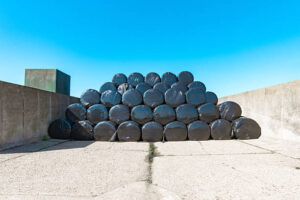
silage film
Agriculture

Silage Film’ Choosing the Best Option for Australian Farms

For Australian farmers, protecting silage crops is crucial for maintaining feed quality throughout the year. One of the most effective ways to do this is by using high-quality silage film. Silage film acts as a protective barrier, preventing oxygen and moisture from spoiling forage crops such as hay, corn, or sorghum. With Australia’s diverse climate, high UV exposure, and varying storage conditions, selecting the right silage film can significantly enhance the longevity and nutritional value of stored silage, ultimately supporting livestock health and farm profitability.

Understanding Silage Film for Australian Conditions

Australian farms face unique challenges in silage storage. Hot summers, strong sunlight, strong winds, and occasional rainfall can compromise silage integrity if it is not properly wrapped. Modern silage films are designed to withstand these conditions. They are typically UV-stabilised, puncture-resistant, and highly stretchable, making them suitable for both small and large-scale operations across regions such as Queensland, New South Wales, Victoria, South Australia, and Western Australia.

The first consideration when choosing silage film is its thickness. Thicker films provide better protection against punctures, tears, and environmental stress, reducing the risk of spoilage. Most Australian suppliers offer films ranging from 25 to 35 microns, which are suitable for both bale and clamp silage. In areas with harsher conditions or for long-term storage, thicker films of 35–50 microns are sometimes recommended to ensure optimal feed preservation.

Types of Silage Film Commonly Used in Australia

There are several types of silage film available for Australian farmers:

1. Single-layer polyethylene film – Cost-effective and widely used, suitable for short-term storage or lower-risk conditions.

2. Multi-layer or co-extruded film – Provides enhanced UV resistance and oxygen barrier properties, ideal for long-term silage preservation.

3. Pre-stretched or blown film – Designed to fit balers efficiently, reducing waste and ensuring tight wrapping.

Choosing the right type depends on storage duration, climate, and farm equipment. Many Australian farmers prefer multi-layer UV-stabilised films because they offer better protection against sunlight damage, reduce the risk of mould growth, and maintain silage nutritional value over time.

Key Features to Look for in Silage Film

When selecting silage film for Australian farms, several technical features are critical:

● UV resistance – Australia has some of the highest UV levels in the world, making UV-stable films essential to prevent degradation during prolonged exposure.

● Puncture and tear resistance – Films must withstand rough handling, rodent damage, and contact with balers or other equipment.

● Stretchability – High-stretch films ensure tight wrapping and eliminate air pockets, which can compromise anaerobic conditions and spoil silage.

● Colour and transparency – Black or white films help regulate temperature and light exposure, while green or clear films allow visual inspection of silage quality.

Investing in the right film saves Australian farmers high costs by reducing feed loss and improving overall livestock nutrition.

Installation and Handling Tips for Optimal Performance

Proper installation of silage film is as important as choosing the right type. For bale silage, ensure the film is tightly wrapped with no gaps or wrinkles. Overlapping layers by 50–100 mm is standard practice to prevent oxygen infiltration. For clamp silage, completely cover the stack and secure edges with tyres, sandbags, or specialised weights to maintain anaerobic conditions.

Handling silage film carefully during transport and storage is essential. Keep rolls in shaded areas and avoid dragging them across rough surfaces to prevent punctures. Additionally, using clean equipment during wrapping prevents contamination, which could compromise feed quality. Following these practices maximises the lifespan of the film and maintains silage quality, even under Australia’s harsh environmental conditions.

Environmental Considerations and Disposal

Environmental responsibility is increasingly important for Australian farmers. Silage film is primarily made of polyethylene, which can be recycled, but proper disposal is critical. Many local councils and recycling programs in Australia now accept used silage film, and some agricultural suppliers offer take-back schemes. Choosing films with lower environmental impact and engaging in responsible disposal practices can help Australian farms meet sustainability goals while maintaining feed quality.

Conclusion

Selecting the right silage film is a key step for Australian farmers seeking to protect their forage crops, reduce waste, and maintain livestock nutrition. By understanding local climate challenges, investing in high-quality UV-stabilised films, and following proper installation techniques, farmers can ensure silage remains fresh, nutritious, and long-lasting. With the right approach, silage film not only preserves feed but also improves farm efficiency, sustainability, and profitability across Australia.

Agriculture

Net Wrap: Technology in Australian Agriculture Tracing Its Evolution

In Australia’s vast and diverse agricultural landscape, net wrap has become a vital tool for farmers looking to protect their hay, silage, and straw bales. Over the years, what began as a simple improvement over traditional twine has evolved into a sophisticated system designed to boost efficiency, reduce waste, and ensure quality feed preservation. This journey reflects the country’s ongoing commitment to innovation in farming, shaped by unique environmental challenges and the constant demand for higher productivity.


From Baling Twine to Net Wrap – A Game-Changing Shift

Before the introduction of net wrap, Australian farmers relied heavily on baler twine. While effective for its time, twine had limitations—slower baling speeds, less consistent coverage, and greater exposure of bales to moisture and pests. The arrival of net wrap in the late 20th century transformed haymaking by significantly reducing baling time and providing superior protection.


net wrap
Net wrap technology

Net wrap offered broader coverage, ensuring bales retained their shape and were shielded from harsh elements like UV radiation and seasonal rainfall. For farmers in regions like Queensland, where unpredictable storms can quickly degrade unprotected feed, this was a crucial advancement. The switch to net wrap not only improved bale quality but also streamlined operations, freeing up valuable time during critical harvest periods.


The Impact of Australian Conditions on Net Wrap Innovation

Australia’s farming conditions are far from uniform. From the dry, hot climate of Western Australia to the temperate coastal regions of New South Wales, each environment places unique demands on baling equipment. Net wrap technology evolved to meet these needs through improved materials and manufacturing techniques.


One key improvement has been the development of UV-stabilised net wrap, specifically designed to withstand Australia’s intense sunlight. Manufacturers also introduced stronger, more tear-resistant weaves to handle high-density baling and long-distance transport—essential for producers in remote regions who must move their feed hundreds of kilometres.


For farmers in drought-prone areas, net wrap has been adapted to provide tighter seals that help preserve hay quality for extended storage, ensuring feed remains nutritious during prolonged dry spells.


Advances in Machinery and Compatibility

The evolution of net wrap goes hand-in-hand with advancements in baling machinery. Early models often struggled with feeding net wrap evenly, leading to wasted material and inconsistent coverage. Modern balers, however, feature precision feed systems that distribute net wrap smoothly and efficiently, reducing downtime and operating costs.


Many Australian farmers now use balers equipped with adjustable tension controls and automatic wrapping systems. These allow for custom wrap settings depending on crop type, bale size, and storage conditions. The result is a more tailored approach to baling that maximises both feed quality and operational efficiency.


Sustainability and the Future of Net Wrap in Australia

As environmental concerns take centre stage in Australian agriculture, the net wrap industry is also evolving towards sustainability. Some manufacturers are producing biodegradable or recyclable net wrap options, aiming to reduce the environmental footprint of haymaking. While these alternatives are still gaining traction, they align with Australia’s broader push towards eco-friendly farming practices.


Another promising development is the creation of a thinner yet stronger net wrap, which uses less material without sacrificing performance. This innovation reduces plastic waste and lowers costs, a win-win for both farmers and the environment.


Looking ahead, smart baling technology could integrate sensors to monitor net wrap application in real time, ensuring perfect coverage and further cutting down on waste. Such advancements could see Australian farmers benefiting from even greater efficiency and profitability in the years to come.


Why Net Wrap Remains Essential for Australian Farmers

Today, net wrap is more than just a convenience—it’s a necessity for many Australian agricultural operations. By speeding up baling, improving bale protection, and enabling longer storage, net wrap directly supports farm productivity and profitability. Its adaptability to different climates and crop types makes it an invaluable tool across the country’s diverse farming regions.


From its humble beginnings as a faster alternative to twine to its current role as a high-performance, climate-adapted agricultural essential, the evolution of net wrap technology mirrors the resilience and innovation of Australian farmers. As new materials, machinery, and sustainable solutions emerge, net wrap will continue to play a pivotal role in shaping the future of haymaking in Australia.