
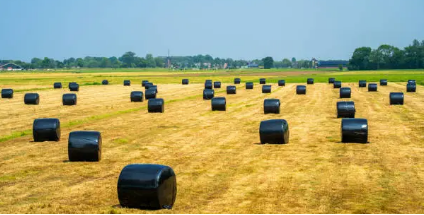
For Australian farmers, every investment on the farm should contribute to higher productivity and better returns. Bale wrap plays an important role in preserving forage quality while helping minimise feed waste during storage. Although some producers focus on the upfront purchase price, evaluating the total cost of ownership often reveals that quality bale wrap provides greater long-term value. From protecting valuable silage to reducing replacement feed costs, understanding the economics of bale wrap helps farmers make more informed decisions.
Why Bale Wrap Is More Than Just Packaging
Modern forage production depends on maintaining feed quality from harvest until livestock consumption. Bale wrap creates an airtight barrier around silage bales, allowing the fermentation process to occur under ideal anaerobic conditions.
Without adequate protection, oxygen can penetrate the bale, encouraging mould growth, spoilage, and nutrient loss. These issues reduce feed value and may even affect animal health and production performance.
Rather than viewing wrapping materials solely as an operating expense, Australian producers increasingly recognise them as an investment that protects the value of every harvested bale.
Understanding the True Economics of Silage Storage
When comparing wrapping options, it’s important to look beyond the purchase price per roll. The true economic value lies in the overall performance of the wrapping system over the storage period.
Factors that influence cost effectiveness include:
● Reduced dry matter losses
● Better preservation of nutritional value
● Lower spoilage rates
● Improved fermentation consistency
● Fewer damaged bales requiring disposal
● Reduced labour for rehandling spoiled forage
A cheaper product that leads to higher spoilage may ultimately cost significantly more than a premium solution that consistently protects forage quality.
How Bale Wrap Reduces Feed Losses
One of the largest hidden expenses in forage production is feed loss during storage. Every percentage of dry matter lost represents harvested feed that can no longer contribute to livestock nutrition.
Using high-quality agricultural film technology helps reduce oxygen infiltration and limits the growth of mould and undesirable bacteria. As a result, farmers retain more usable forage from every harvested paddock.
Even relatively small improvements in preservation can translate into substantial financial savings when managing hundreds or thousands of silage bales annually.
The Financial Benefits of Better Silage Quality
High-quality silage supports improved livestock performance across dairy, beef, and sheep enterprises.
Benefits may include:
● Improved feed intake
● Better energy availability
● More consistent nutritional value
● Reduced need for purchased supplements
● Enhanced milk production or weight gain
When forage quality remains stable throughout storage, producers often experience more predictable feeding programs and fewer unexpected feed shortages.
These production improvements contribute to the overall return on investment associated with quality wrapping materials.
Weather Challenges Across Australia
Australia presents unique forage storage challenges due to diverse climatic conditions.
Depending on the region, producers may encounter:
● Intense summer heat
● High UV exposure
● Heavy rainfall
● Variable humidity
● Strong winds
● Extended storage periods
Each of these environmental factors places additional stress on wrapping materials.
Selecting a wrap designed for Australian conditions helps minimise the risk of film degradation before the silage is fed.
Calculating Long-Term Savings
The economics of silage storage become clearer when considering the entire production cycle.
For example, replacing spoiled forage often requires:
● Purchasing additional feed
● Extra transport costs
● Additional labour
● Lost production opportunities
● Increased storage management
Preventing these expenses frequently delivers greater savings than the difference between premium and lower-cost wrapping materials.
Farmers should calculate:
● Cost per wrapped bale
● Estimated spoilage percentage
● Value of preserved forage
● Livestock production benefits
● Labour savings
This broader approach provides a more accurate assessment of overall profitability.
Choosing the Right Bale Wrap for Maximum Value
Not all wrapping films perform equally under Australian farming conditions.
Important selection criteria include:
Film Strength
Strong films resist punctures during handling, transport, and stacking.
Stretch Performance
Consistent stretch ensures proper sealing while reducing the likelihood of weak spots.
UV Protection
Australia’s intense sunlight makes UV resistance particularly important for extended outdoor storage.
Oxygen Barrier Performance
Lower oxygen transmission rates improve fermentation and preserve nutritional quality.
Reliable Manufacturing Standards
Consistent product quality reduces the risk of unexpected failures during wrapping operations.
Choosing products based on performance, not purchase price alone, often results in greater long-term value.
Operational Efficiency Matters Too
Cost-effectiveness also extends to daily farm operations.
Reliable wrapping materials can improve workflow by:
● Reducing film breaks during wrapping
● Minimising machine downtime
● Supporting faster wrapping speeds
● Lowering operator frustration
● Producing more consistent bale quality
Improved operational efficiency allows farmers to complete silage harvest quickly, especially during short weather windows when timing is critical.
Common Mistakes That Reduce Cost-Effectiveness
Even premium materials cannot deliver full value if used incorrectly.
Common mistakes include:
● Insufficient wrap layers
● Poor bale density
● Wrapping too long after baling
● Damaging bales during handling
● Storing bales on rough surfaces
● Ignoring puncture repairs
Following recommended wrapping practices helps maximise both forage preservation and financial returns.
Bale Wrap as a Long-Term Investment
The true value of bale wrap lies in protecting one of the farm’s most valuable assets: harvested forage. While lower-cost products may appear attractive initially, they can lead to higher spoilage rates, increased feed purchases, and reduced livestock performance over time.
Australian producers who evaluate wrapping materials based on total economic impact rather than upfront price alone are often better positioned to improve profitability. By preserving feed quality, reducing waste, and supporting efficient farm operations, the right bale wrap delivers measurable benefits throughout the entire feeding season.
As input costs continue to rise across Australian agriculture, making informed decisions about forage preservation becomes increasingly important. Investing in dependable bale wrap is not simply about protecting bales—it’s about safeguarding the productivity, efficiency, and long-term financial sustainability of the farming operation.
