
In Australia’s vast and diverse agricultural landscape, net wrap has become a vital tool for farmers looking to protect their hay, silage, and straw bales. Over the years, what began as a simple improvement over traditional twine has evolved into a sophisticated system designed to boost efficiency, reduce waste, and ensure quality feed preservation. This journey reflects the country’s ongoing commitment to innovation in farming, shaped by unique environmental challenges and the constant demand for higher productivity.
From Baling Twine to Net Wrap – A Game-Changing Shift
Before the introduction of net wrap, Australian farmers relied heavily on baler twine. While effective for its time, twine had limitations—slower baling speeds, less consistent coverage, and greater exposure of bales to moisture and pests. The arrival of net wrap in the late 20th century transformed haymaking by significantly reducing baling time and providing superior protection.
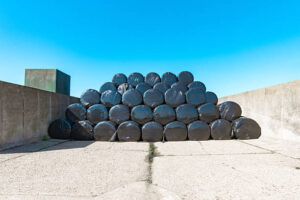
Net wrap offered broader coverage, ensuring bales retained their shape and were shielded from harsh elements like UV radiation and seasonal rainfall. For farmers in regions like Queensland, where unpredictable storms can quickly degrade unprotected feed, this was a crucial advancement. The switch to net wrap not only improved bale quality but also streamlined operations, freeing up valuable time during critical harvest periods.
The Impact of Australian Conditions on Net Wrap Innovation
Australia’s farming conditions are far from uniform. From the dry, hot climate of Western Australia to the temperate coastal regions of New South Wales, each environment places unique demands on baling equipment. Net wrap technology evolved to meet these needs through improved materials and manufacturing techniques.
One key improvement has been the development of UV-stabilised net wrap, specifically designed to withstand Australia’s intense sunlight. Manufacturers also introduced stronger, more tear-resistant weaves to handle high-density baling and long-distance transport—essential for producers in remote regions who must move their feed hundreds of kilometres.
For farmers in drought-prone areas, net wrap has been adapted to provide tighter seals that help preserve hay quality for extended storage, ensuring feed remains nutritious during prolonged dry spells.
Advances in Machinery and Compatibility
The evolution of net wrap goes hand-in-hand with advancements in baling machinery. Early models often struggled with feeding net wrap evenly, leading to wasted material and inconsistent coverage. Modern balers, however, feature precision feed systems that distribute net wrap smoothly and efficiently, reducing downtime and operating costs.
Many Australian farmers now use balers equipped with adjustable tension controls and automatic wrapping systems. These allow for custom wrap settings depending on crop type, bale size, and storage conditions. The result is a more tailored approach to baling that maximises both feed quality and operational efficiency.
Sustainability and the Future of Net Wrap in Australia
As environmental concerns take centre stage in Australian agriculture, the net wrap industry is also evolving towards sustainability. Some manufacturers are producing biodegradable or recyclable net wrap options, aiming to reduce the environmental footprint of haymaking. While these alternatives are still gaining traction, they align with Australia’s broader push towards eco-friendly farming practices.
Another promising development is the creation of a thinner yet stronger net wrap, which uses less material without sacrificing performance. This innovation reduces plastic waste and lowers costs, a win-win for both farmers and the environment.
Looking ahead, smart baling technology could integrate sensors to monitor net wrap application in real time, ensuring perfect coverage and further cutting down on waste. Such advancements could see Australian farmers benefiting from even greater efficiency and profitability in the years to come.
Why Net Wrap Remains Essential for Australian Farmers
Today, net wrap is more than just a convenience—it’s a necessity for many Australian agricultural operations. By speeding up baling, improving bale protection, and enabling longer storage, net wrap directly supports farm productivity and profitability. Its adaptability to different climates and crop types makes it an invaluable tool across the country’s diverse farming regions.
From its humble beginnings as a faster alternative to twine to its current role as a high-performance, climate-adapted agricultural essential, the evolution of net wrap technology mirrors the resilience and innovation of Australian farmers. As new materials, machinery, and sustainable solutions emerge, net wrap will continue to play a pivotal role in shaping the future of haymaking in Australia.
 A free home appraisal is a no-cost, no-obligation estimate of your property’s market value, typically provided by a real estate agent. Unlike a formal property valuation (which is conducted by a registered valuer and used for legal or financial purposes), a home appraisal offers an indicative price based on current market trends, recent comparable sales, and local demand.
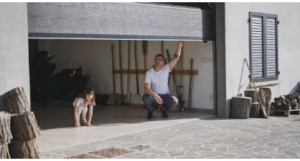 Security shutters are more than just a physical barrier—they’re a comprehensive solution for enhancing safety and peace of mind. Here’s why many Adelaide residents and business owners are turning to them:
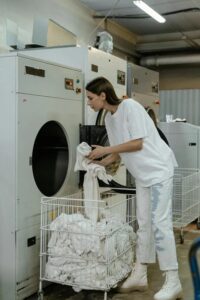 When it comes to choosing the right washing machines in Adelaide, homeowners and businesses alike want efficient, durable, and reliable appliances that can keep up with their laundry demands. With so many brands and models on the market, it’s essential to understand your options and make an informed decision that suits your lifestyle and budget.