
Silage covers are an essential component of modern farming practices in Australia, especially for livestock producers who rely on high-quality silage to maintain animal health and productivity. These protective covers play a crucial role in preserving the nutritional value of silage, preventing spoilage, and ensuring that the investment in harvesting forage is not wasted.
In this article, we explore the importance of silage covers, the different types available, and how to choose the right one for your farm. For quality silage covers, check this out.
Why Silage Covers Matter
 Silage is fermented, high-moisture stored fodder that can be fed to cattle, sheep, and other ruminants. In retaining its nutritional integrity during the storage period, silage must be protected from oxygen, moisture, pests, and UV exposure. It is where silage covers come into play. These covers form a barrier that reduces air infiltration and minimises spoilage, ensuring that the feed remains palatable and energy-rich for livestock.
Without a proper cover, silage can quickly deteriorate, resulting in financial loss, poor livestock performance, and increased waste. In Australia’s variable climate—with intense sun, wind, and rainfall—choosing the right silage cover is more important than ever.
Types of Silage Covers
Australian farmers have access to a range of silage cover options, each offering different levels of protection, durability, and cost-efficiency.
Standard Plastic Covers
These are typically made from polyethylene and are the most commonly used covers. They offer basic protection from air and rain and are often available in black or black-and-white colours to reflect sunlight and minimise heat absorption.
Oxygen Barrier Films
More advanced than standard plastic, oxygen barrier covers are multilayered films designed to significantly reduce oxygen transmission. It leads to improved fermentation and better preservation of nutrients. While slightly more expensive, these covers often result in lower feed losses.
Heavy-Duty Silage Tarps
Used primarily in regions with harsher weather conditions, these covers are reinforced with mesh or fabric to provide additional strength. They are ideal for windy areas or large silage pits where maintaining cover integrity is critical.
Silage Gravel Bags and Nets
While not covers themselves, these accessories help hold the primary silage covers in place, especially in high-wind areas. They complement the cover by improving sealing and stability.
Key Benefits of Using Silage Covers
Investing in high-quality silage covers yields several significant benefits for Australian farmers:
- Improved Feed Quality: A well-sealed silage pit retains higher levels of energy and protein, resulting in healthier and more productive animals.
- Reduced Spoilage and Waste: Oxygen barrier covers can reduce silage spoilage by up to 50%, saving time and money in the long run.
- Weather Protection: Covers shield the silage from rain, sun, and pests, maintaining its integrity throughout the storage period.
- Cost Efficiency: While premium covers might require a higher initial investment, the long-term savings from reduced feed losses often outweigh the costs.
Choosing the Right Silage Cover in Australia
Selecting the appropriate silage cover depends on several factors, including your location, climate, storage method, and budget. Here are some considerations for Australian farmers:
- Climate Conditions: UV-stabilised and waterproof covers are essential in tropical or high-rainfall areas. In dry and windy regions, opt for heavy-duty or reinforced tarps.
- Storage Method: Whether you’re using bunkers, pits, or stacks, make sure the cover size and design align with your storage configuration.
- Longevity: Oxygen barrier films provide superior preservation for long-term storage. If you rotate the feed quickly, standard polyethylene may suffice.
- Ease of Use: Lightweight covers are easier to handle but may not provide the durability required for larger silage pits.
Conclusion:
Silage covers are a critical investment for any Australian farmer looking to optimise feed quality, reduce spoilage, and increase profitability. By choosing the right cover and applying it correctly, producers can protect one of their most valuable resources—livestock feed.
Whether you run a small farm or a large-scale operation, understanding your options and the latest innovations in silage covers will help ensure you’re getting the best return on your forage investment. As agriculture continues to evolve in Australia, silage protection will remain a key pillar of effective and sustainable livestock management.
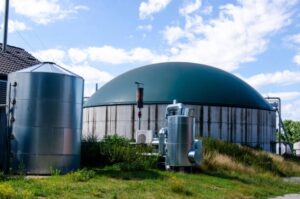 There are various silage wrap options, ranging in thickness and colour. When choosing one to cover your silage, consider factors such as strength, durability, stretchability, UV resistance and cling level – top brands include Sigma, Tytan, Bale Tuff Sunfilm RaniWrap SILOPAK to find what best meets these criteria.